Mental Health in 2023: A Look at the Current Landscape

societyofcare • August 16, 2023

When we think about the topic of mental health,

we often associate it with individual struggles, illnesses, and treatments. However, mental health also plays a significant role in our daily lives, including our workplaces, schools, and homes.

The great news is that mental health has become a more common and openly discussed topic in recent years. There is a growing focus on promoting positive mental wellbeing and addressing mental health challenges, with an abundance of attention and resources dedicated to it.

In this blog post, we’ll explore four trends in the mental health realm that we can expect to see continuing in 2023: employer mental health benefits, mental health conversations at home, prioritization of teacher mental health, and mental health education for students.

To view our visual Web Story for this blog post you can click here.

What Are ‘Mental Health Trends’?

A trend, by definition, is something that is popular or widely accepted during a particular time. 

When it comes to mental health, trends can look like a shift in societal understanding of things like anxiety, depression, and self-care. 

As we learn more about the complexities of mental health, certain ideas around how we can best take care of ourselves and each other become more prevalent. 

These trends can be important in terms of helping individuals seeking support and shaping public policy and resources. And as mental health affects more and more people, understanding these trends becomes especially important.

Trend #1: Employers Are Now Offering More Mental Health Services Than Ever Before 

Firstly, employers are now offering more mental health services than ever before. 

Even big business giants such as Johnson & Johnson, American Airlines, and Amazon have realized the benefits of supporting their employees’ mental health.

Providing access to mental health resources sends a message to employees that their mental and emotional well-being matters. 

It creates a supportive culture that helps reduce the stigma associated with mental health and encourages employees to seek help when they need it. With the availability of counseling or therapy, employees can gain the tools and skills needed to manage their mental health, leading to increased productivity, engagement, and overall job satisfaction. 

We can expect to see employers providing more mental health resources and benefits, such as access to counseling services, mindfulness programs, and mental health days. 

Companies will also focus on promoting mental wellness in the workplace by creating a positive and supportive culture that reduces stress and anxiety, and encourages open communication about mental health.

Trend #2: Talking About Mental Health At Home Is Becoming More Common

Secondly, the topic of mental health is becoming more commonplace at the dinner table. Mental health discussions are often reserved for therapy sessions, but this is starting to change. 

Families and friends are beginning to open up more about mental health challenges, creating a more supportive environment for those struggling with their mental wellbeing. 

This normalization of mental health conversations has the potential to decrease the stigma associated with mental health challenges, reduce feelings of isolation, and ultimately lead to more individuals feeling comfortable seeking help as needed.

However , mental health is not always an easy topic to discuss, especially within your own family. 

One way to approach the subject is to start with some basic information on what mental health is and why it’s important. From there, you can open up a dialogue about any experiences with mental health, whether it be your own or someone else’s. 

Remember to listen actively and try not to judge – everyone’s experiences with mental health are unique and valid. It may take some time, but opening up the lines of communication about mental health can be a powerful way to strengthen your family bond.

Trend #3: Teacher Mental Health Is Becoming Prioritized

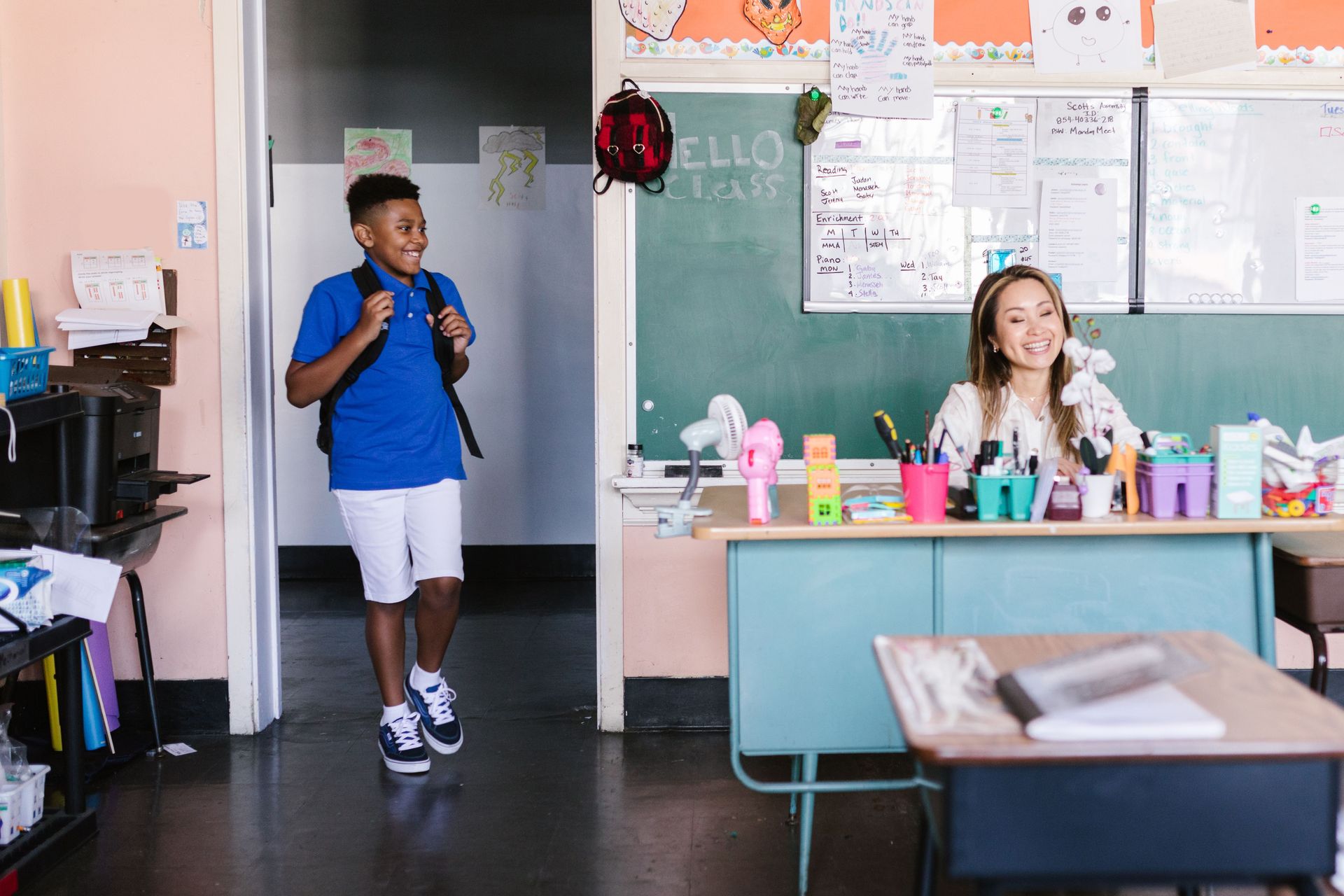
Thirdly, teacher mental health is becoming more prioritized. It’s no secret that being a teacher is a challenging and demanding profession, but what may be surprising is the extent to which teachers are struggling with their mental health. 

From the pressures of curricular demands, to navigating difficult relationships with students and parents, to managing the stress of ever-changing education policies, there are countless factors that contribute to the high rates of anxiety, depression, and burnout among educators. 

This not only impacts their own mental health but also their ability to effectively teach and support their students. In recognition of this issue, schools are beginning to prioritize teacher mental health and offer resources such as counseling, mentoring, and stress management training. 

By supporting the mental wellbeing of educators, we can help to create a more supportive and thriving environment for both teachers and students.

Trend #4: Mental Health Education For Students Is Being Offered

Fourthly, mental health education for students is now being offered more. 

With so much going on in our lives, it’s easy to neglect our own well-being. That’s why mental health education is becoming increasingly important, especially for students who are expected to balance school work, extracurricular activities, and social lives. 

This new understanding of mental health education means schools are beginning to integrate it into their curriculum. 

By teaching students about mental health challenges, coping mechanisms, and strategies for seeking help, we can equip them with lifelong skills and awareness. 

This education can help to reduce the stigma surrounding mental health challenges, increase support for those suffering, and ultimately contribute to creating a more empathetic and understanding society.

Conclusion:

In conclusion, mental health is becoming a more prominent topic in our society, with increasing resources and awareness being dedicated to it. 

Employers are recognizing the importance of supporting their employees’ mental wellbeing, families and friends are beginning to have more open conversations about mental health, schools are prioritizing both teacher and student mental health, and mental health education is being integrated into the curriculum. 

By continuing to push for open discussions, support, and education surrounding mental health, we can create a more empathetic, informed, and supportive society that helps individuals achieve their full potential.

Join Our Mailing List

Father reading a book to two children on a bed with gray bedding.
By Ben Keller January 22, 2026
When families think about improving well-being at home, it can feel like change has to be big, time consuming, or difficult to matter. In reality, small adjustments often have the greatest impact. Simple, thoughtful changes can support emotional health, strengthen relationships, and create a calmer home environment over time.
Woman helping child eat at a table. Food and drinks are present.
By Ben Keller January 15, 2026
Children experience pressure in many forms. It can come from school, activities, friendships, or even from their own internal desire to do things “right.” While adults may not always see this pressure, children feel it deeply. Talking openly about expectations can help children understand their feelings and feel supported rather than overwhelmed.
Woman and child lying on a bed, talking. Both are looking at each other, in a light-filled bedroom.
By Ben Keller January 8, 2026
After a season filled with activity, obligations, and stimulation, many families feel pressure to jump right back into full schedules. Routines and structure are important, but so is recovery. Slowing down after a busy season gives both children and caregivers the opportunity to reset emotionally and mentally.
Family preparing food together in a kitchen.
By Ben Keller January 1, 2026
The start of a new year often brings a sense of pressure. Messages about resolutions, productivity, and self improvement can feel overwhelming, especially for families who are already navigating busy schedules and emotional needs. At Society of Care, we believe growth does not have to feel rushed or rigid. Instead, January can be a meaningful time to set gentle goals together as a family.
Woman smiling, embracing a child indoors near a couch and plant.
By Ben Keller December 26, 2025
Busy days, full schedules, and lots of activity can be exciting, but they can also leave children feeling overwhelmed. When stimulation builds up, children may struggle to regulate their emotions, focus their attention, or transition smoothly through the day. This can happen even when experiences are positive.
Woman kisses girl on the cheek, both with long dark hair, smiling.
By Ben Keller December 18, 2025
Change is a natural part of life, but for children, even small changes can bring big emotions. Shifts in routine, environment, expectations, or relationships can feel confusing or overwhelming. Children may not always have the words to explain what they are feeling, but their emotions often show up through behavior, body language, or changes in mood.
Girl in white dress holding gift, smiling by Christmas tree in outdoor setting.
By Ben Keller December 11, 2025
Choosing gifts for children can be an opportunity to celebrate who they are while nurturing the skills they are developing. A strength based approach focuses on what a child already does well. It also supports the areas where they are growing. When gifts match a child’s interests, learning style, and developmental needs, they can spark confidence and independence in meaningful ways.
Girl smiling, holding a gift, with a Christmas tree in the background.
By Ben Keller December 4, 2025
When school breaks arrive, the shift in daily structure can feel exciting for some children and overwhelming for others. Many families rely on predictable schedules to support emotional regulation, learning, and a sense of safety.
Boy and man on a couch playing with a blue toy car, smiling at each other.
By Ben Keller November 26, 2025
As the year winds down, many families begin to feel the familiar shift that comes with the holiday season. Plans change, routines get disrupted, and schedules often fill more quickly than expected. These moments can bring joy and connection, but they can also create stress, unpredictability, and emotional strain, especially for caregivers already balancing full plates.
Two people embrace in a backyard. A woman with short hair smiles. Others watch.
By Ben Keller November 19, 2025
Every year, people around the world come together on International Survivors of Suicide Loss Day to remember loved ones, support one another, and acknowledge the unique grief that follows this kind of loss. For many, it is a day filled with tenderness, reflection, and quiet strength.