The Power of Routines: Why Predictability Matters for Kids

Ben Keller • September 18, 2025

Children thrive on knowing what to expect. Predictable routines provide a sense of safety, stability, and comfort that helps children feel secure in their daily lives.

While every family is unique, establishing consistent routines at home can support children’s emotional well-being, learning, and growth.


Why Routines Are Important

Routines create a sense of order in a child’s world. They help children:

  • Feel safe and know what comes next
  • Build self-discipline and responsibility
  • Manage transitions with less stress
  • Develop healthy habits like regular sleep and mealtimes
  • Strengthen confidence by mastering daily tasks

When life feels predictable, children are less anxious and more confident in handling everyday responsibilities. Routines also make it easier for children to manage expectations because they know what is coming rather than being surprised or rushed.

Key Times to Use Routines

Not every moment of the day needs to be scheduled, but having consistency around certain parts of the day is especially helpful:

  • Morning routines: Getting dressed, brushing teeth, and having breakfast sets a calm and prepared tone for the day. Including steps like packing a backpack or choosing shoes the night before reduces stress in the morning rush.
  • After-school routines: Snack, homework, chores, and play help children shift from school mode to home life without chaos. This structure also gives them balance between responsibilities and downtime.
  • Bedtime routines: A consistent wind-down process, such as bathing, reading, or quiet time, signals to children that it is time to rest. A predictable routine often leads to better sleep and fewer bedtime struggles.

Other routines, such as mealtime rituals or weekend family traditions, also help children feel connected and grounded.

Supporting Independence Through Routine

Routines give children opportunities to take responsibility for small tasks. Knowing what needs to be done allows them to prepare and complete steps without constant reminders. For example, a child who always clears their dishes after dinner will eventually do it automatically. Over time, this builds confidence, accountability, and independence. Caregivers can also use visual charts or checklists to give children a clear reminder of what steps to follow.

Flexibility Matters Too

While routines are valuable, flexibility is important as well. Families may have special events, travel, or unexpected changes. A routine that is too rigid can cause stress when things do not go exactly as planned. Allowing for adjustments teaches children how to adapt while still providing the comfort of a predictable structure. A good balance is consistency most of the time with an openness to change when needed.

How Caregivers Benefit

Routines support not only children but also caregivers. Predictability makes it easier to manage household responsibilities, reduces stress, and creates a smoother flow to the day. When children know what is expected, there are fewer power struggles and less resistance. Caregivers also save energy by giving fewer repeated instructions. Over time, routines turn into habits that benefit the entire household.

Final Thoughts

Predictability does not mean rigidity. Consistent routines simply give children a framework that makes the world feel safe and manageable. By creating simple, reliable patterns in daily life, caregivers help children build confidence, independence, and a greater sense of calm. These routines also support caregivers by reducing stress and encouraging smoother transitions throughout the day. When routines are steady but flexible, they create an environment where children and families can thrive.

Looking for more simple, supportive tools for the loved ones in your care? Enjoy these additional resources and explore our blog for ideas that help you nurture connection, one moment at a time. Or, Join our mailing list where we share more resources that accompany our blog posts.

  • Children’s Health – How to Create a Daily Routine for Kids

    Write your caption here
    Learn More
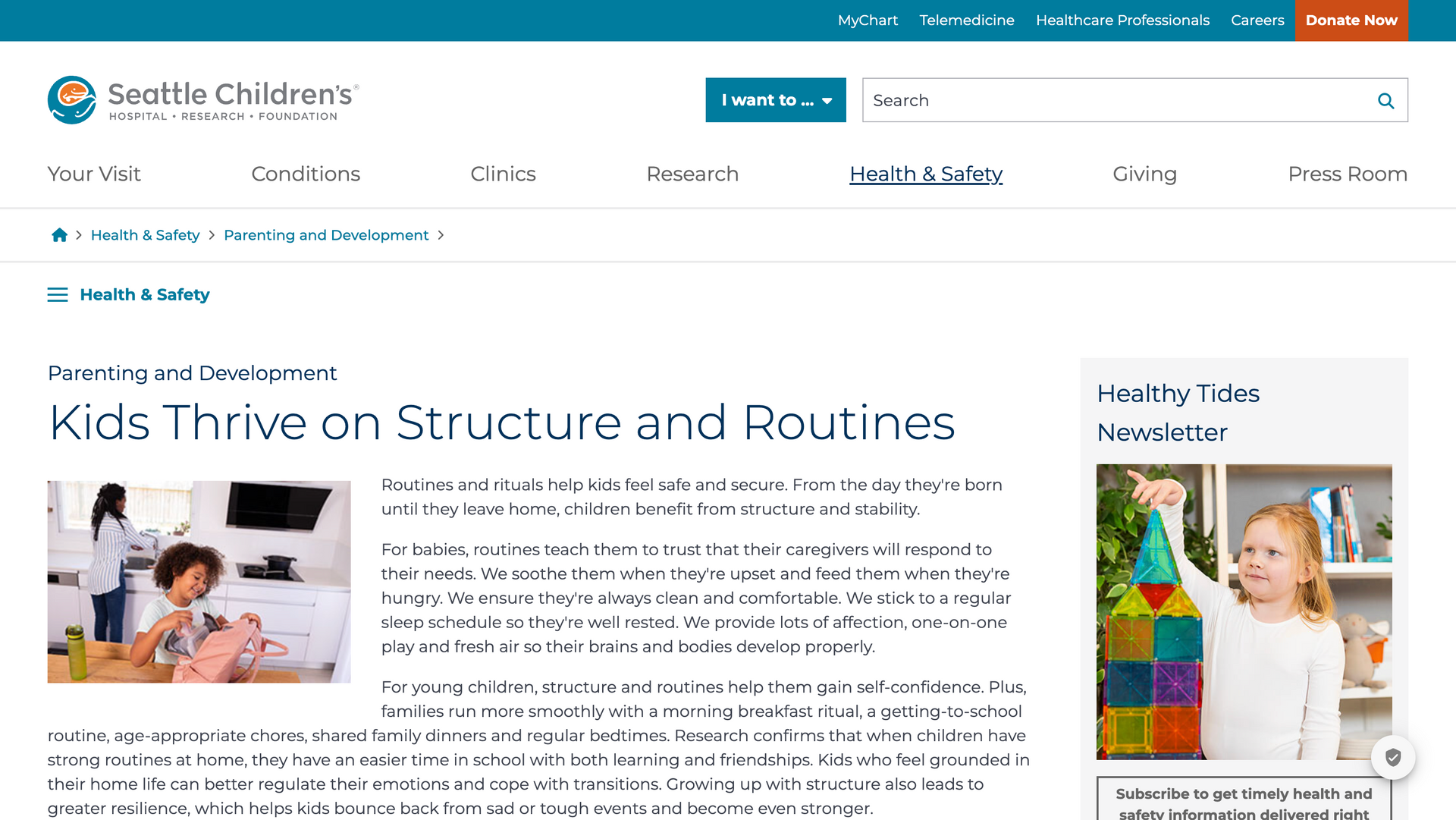
  • Seattle Children's website: Article about kids and routines, featuring a child in a kitchen with a backpack.

    Seattle Children’s – Kids Thrive on Structure and Routines

    Write your caption here
    Learn More

Join Our Mailing List

Two people sit on a brown leather couch, each looking down at their own smartphone against a plain white background.
By Ben Keller March 19, 2026
Stress is a common part of the teenage experience. While adults may recognize that teens face challenges, the full weight of those pressures is not always easy to see from the outside. For many teens, stress is not just about one issue. It is often a combination of academic expectations, social dynamics, family responsibilities, and internal pressure to succeed.
Two lacrosse players in blue and yellow uniforms run on a turf field, holding their sticks during a game.
By Ben Keller March 12, 2026
Teenagers today often manage full schedules. Between schoolwork, extracurricular activities, social commitments, and family responsibilities, many teens move quickly from one obligation to the next. While being involved and active can be beneficial, it is equally important for teens to have time to rest and recharge.
Family cooking together in a kitchen, cutting vegetables and preparing food.
By Ben Keller March 5, 2026
Teens learn a great deal about how to handle life’s challenges by watching the adults around them. While parents often focus on teaching coping strategies through conversation, one of the most powerful lessons happens through everyday example. The way adults respond to stress, frustration, and uncertainty can quietly shape how teens approach those same experiences.
Two adults kissing a child's cheeks; all three are smiling and close together. Neutral background.
By Ben Keller February 26, 2026
Every child needs to feel safe. Physical safety is often the first thing that comes to mind, but emotional safety is just as important. Emotional safety is the feeling that you can express your thoughts, feelings, and needs without fear of shame, rejection, or harsh judgment.
Three children sitting on grass, looking at something on one child's wrist, one points.
By Ben Keller February 19, 2026
Healthy boundaries are an essential part of emotional well-being. They help children understand what feels safe, respectful, and comfortable in their relationships with others. Learning about boundaries early in life builds confidence, strengthens communication skills, and supports healthy connections as children grow.
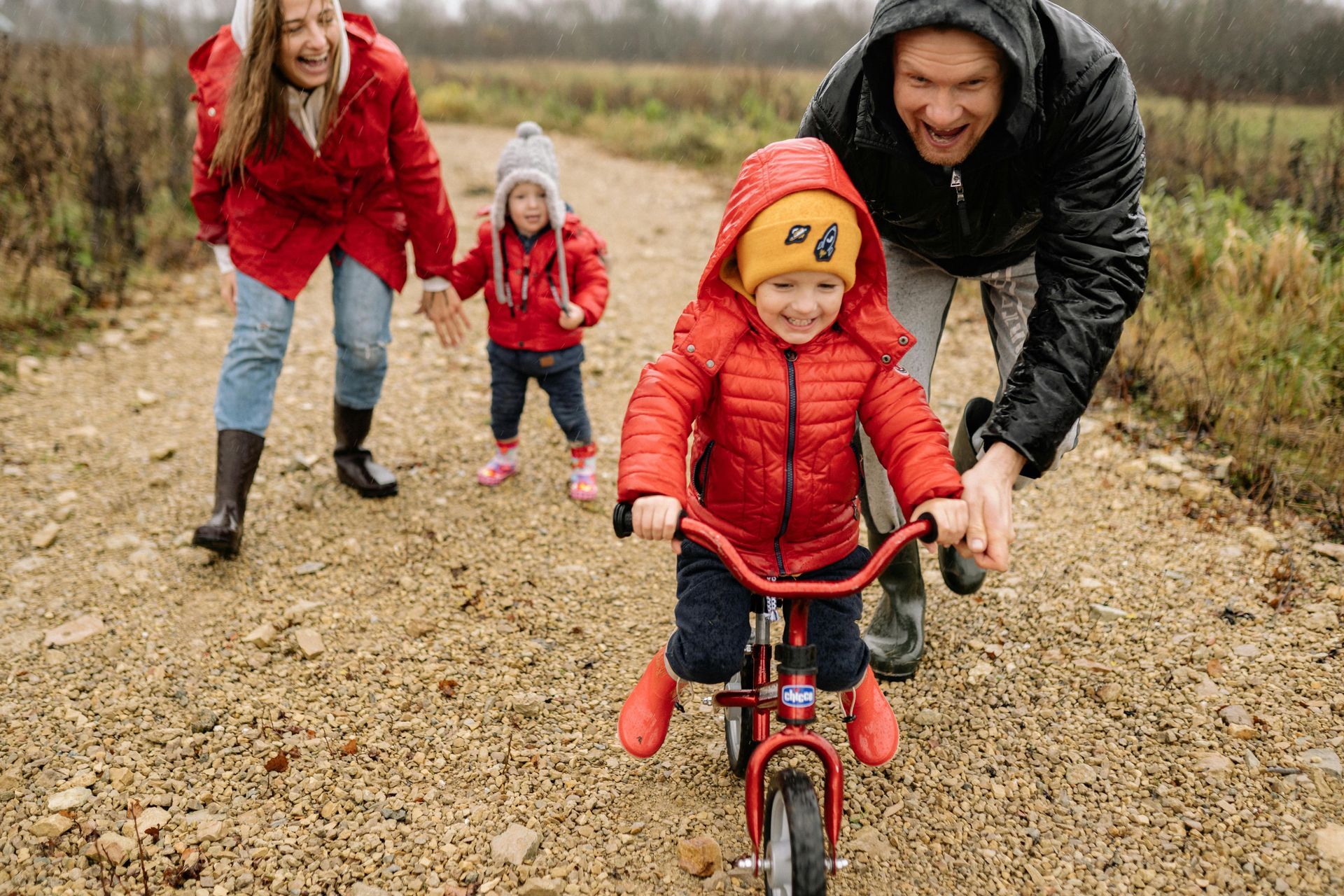
Family helps toddler ride a red bike on a dirt path; mother and father smile as they assist.
By Ben Keller February 12, 2026
In a world that often celebrates big milestones and grand gestures, it is easy to overlook the quiet, everyday moments that shape a child’s emotional well-being. While special events and celebrations certainly have value, it is often the small, consistent moments of connection that leave the deepest and most lasting impact.
Four friends sit outside a building. One wears teal pants, others have blue shirts and a Batman tank. All smile.
By Ben Keller February 5, 2026
Friendships play a powerful role in a child’s emotional world. As children grow, their social circles naturally change. Friends move away, interests shift, and group dynamics evolve. While these changes are a normal part of development, they can still feel confusing or painful for kids.
Woman and child on couch looking at a phone screen.
By Ben Keller January 29, 2026
The beginning of a new year often brings change. Routines shift, expectations reset, and families move from one season into another. While this transition can feel hopeful, it can also bring unspoken emotions for both children and caregivers. Emotional check-ins provide a simple, meaningful way to support mental well-being during this time of adjustment.
Father reading a book to two children on a bed with gray bedding.
By Ben Keller January 22, 2026
When families think about improving well-being at home, it can feel like change has to be big, time consuming, or difficult to matter. In reality, small adjustments often have the greatest impact. Simple, thoughtful changes can support emotional health, strengthen relationships, and create a calmer home environment over time.
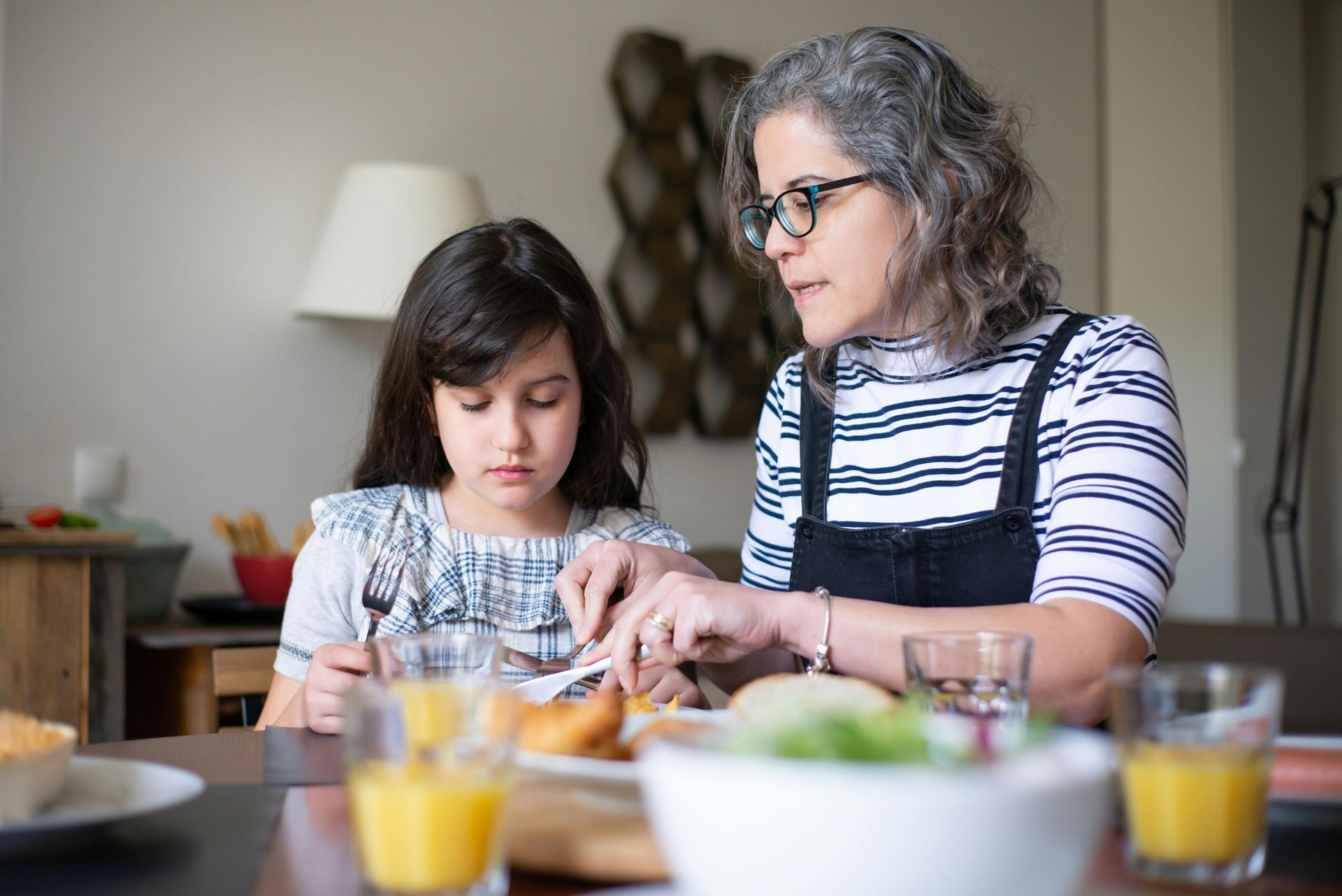
Woman helping child eat at a table. Food and drinks are present.
By Ben Keller January 15, 2026
Children experience pressure in many forms. It can come from school, activities, friendships, or even from their own internal desire to do things “right.” While adults may not always see this pressure, children feel it deeply. Talking openly about expectations can help children understand their feelings and feel supported rather than overwhelmed.